Stress is a reaction to a situation where a person feels threatened or anxious.
Stress can cause the following:
Feelings of fear, anger, sadness, worry, numbness, or frustration
Changes in appetite, energy, desires, and interests
Difficulty concentrating and making decisions
Difficulty sleeping or nightmares
Physical reactions, such as headaches, body pains, stomach problems, and skin rashes
Worsening of chronic health problems
Worsening of mental health conditions
Increased use of tobacco, alcohol, and other substances
It is natural to feel stress, anxiety, and grief.
If you experience these feelings or behaviors for several days in a row and are unable to carry out normal responsibilities because of them, seek professional help.
Understanding Stress
Healthy Ways to Cope with Stress
Feeling emotional and nervous or having trouble sleeping and eating can all be normal reactions to stress. Here are some ways that you can help yourself, others, and your community manage stress.
Take care of yourself: Eat healthily, exercise, get plenty of sleep, and give yourself a break if you feel stressed out.
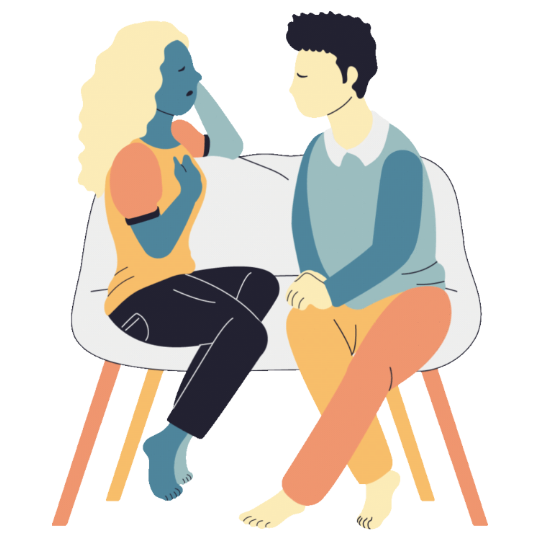
Talk to others: Share your problems and how you are feeling and coping with a parent, friend, counselor, doctor, or pastor.
Talk to and stay connected to others: Talking with someone you trust can help you make sense out of your experience. Call your local crisis intervention center or a national hotline if you are unsure where to turn.
Connect with others: Talk with people you trust about your concerns and how you are feeling.
Avoid excessive drugs and alcohol use: These may seem to help, but they can create additional problems and increase the stress you are already feeling.
Take a break: If news events are causing your stress, take a break from listening or watching the news.
Connect with your community and faith-based organizations.
Recognize when you need more help: If problems continue or you are thinking about suicide, talk to a psychologist, social worker, or professional counselor.
Make time to unwind: Try to do some other activities you enjoy.
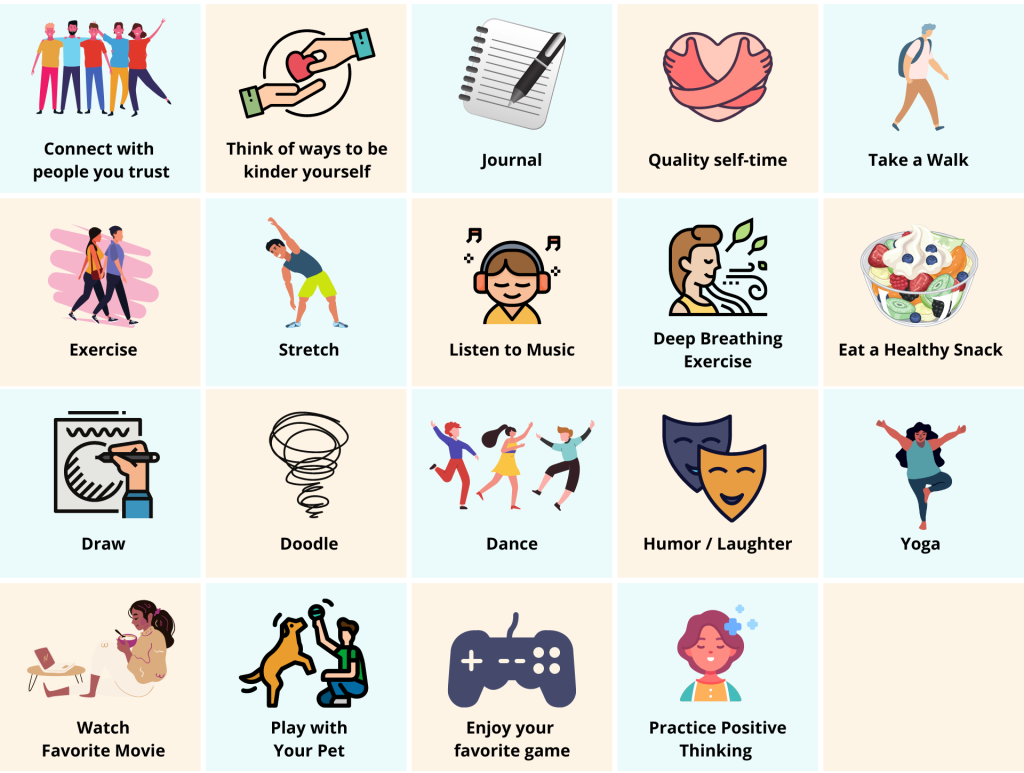
Healthy Ways to Cope
Find Your Favorite Coping Activities
Find your Favorite Coping Activities! Here are some examples of common coping skills: